
Technology & AI
EvoPINN: AI agent invents new neural network for physics
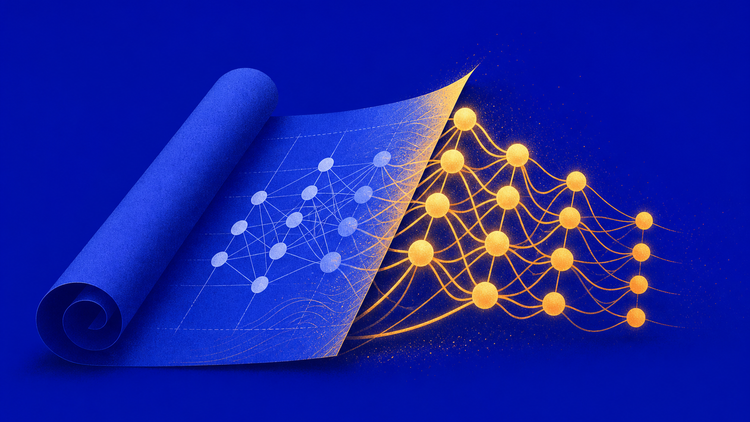
EvoPINN uses an LLM agent to automatically discover and validate algorithms for physics-informed neural networks, replacing manual tuning.
A newsletter breaking down AI research, technology, and Australian property in plain English
AI and technology, explained through what they actually mean. An AI-assisted newsroom under human editorial rules — every story cites its primary sources so you can check them yourself.
498 stories
EvoPINN uses an LLM agent to automatically discover and validate algorithms for physics-informed neural networks, replacing manual tuning.
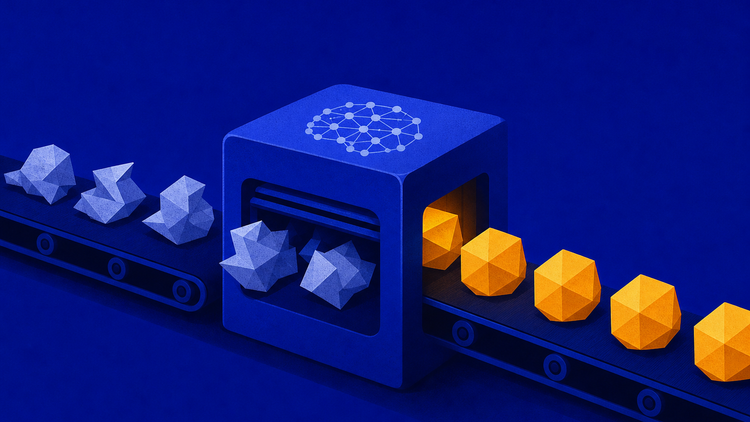
TAPR uses reinforcement learning to turn vague user prompts into task-optimized instructions, lifting accuracy on Natural Questions and GSM8K benchmarks.
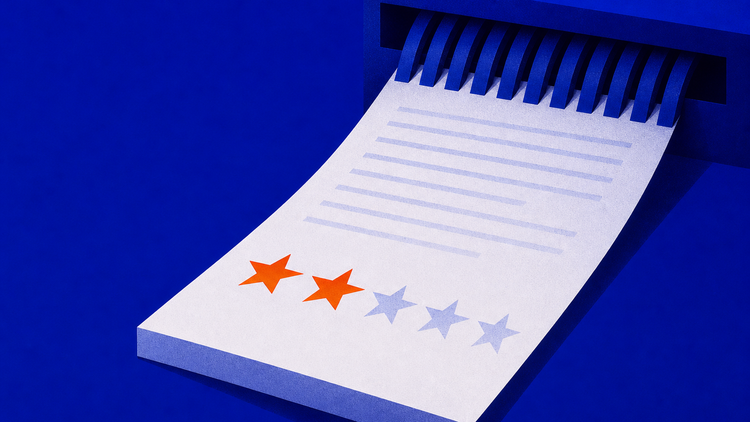
AI-generated research papers scored below the midpoint in the first automated multi-model peer review, and one AI reviewer disagreed with the others
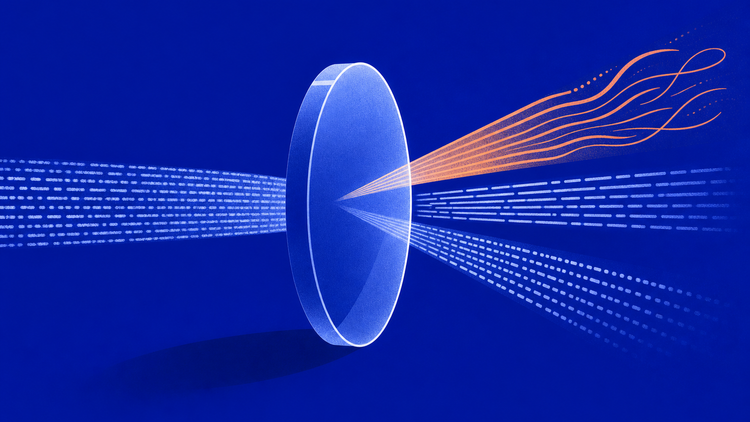
GLASS, a new arXiv preprint, uses sparse autoencoders to extract a user's writing style and inject it at inference, no fine-tuning or retrieval needed.
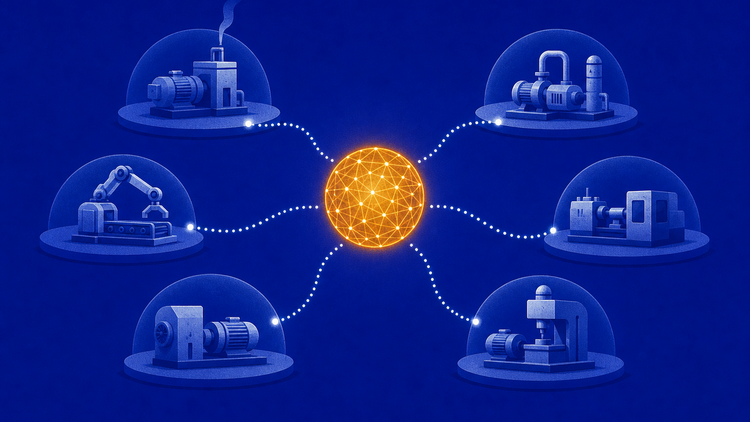
An arXiv preprint shows organizations can collaboratively predict equipment failure using federated survival analysis without sharing raw sensor data.

More than half of Australians surveyed by the RBA think higher interest rates push inflation up, not down, and it changes how monetary policy actually
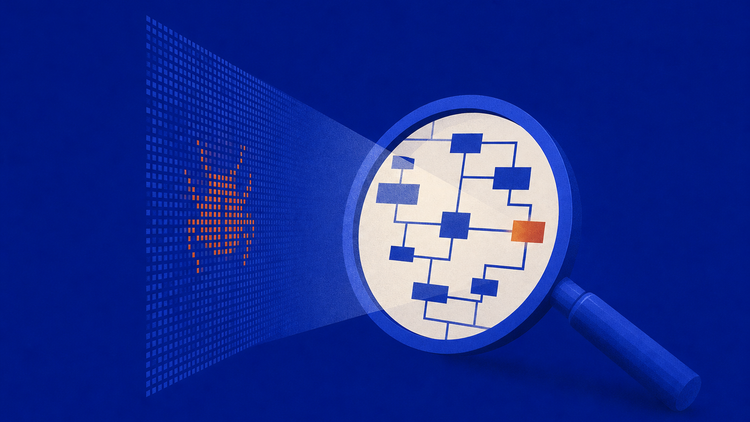
A Fudan University preprint proposes MalGuard, a graph-based detector that groups code into operational roles to catch evasive malware byte-scanners miss.

OpenAI published ten new results from an internal model on open math and CS problems, with Lean proof certificates on GitHub for anyone to check.

SCAIR, from Bosch and Stuttgart researchers, injects enterprise schemas into AI agent reasoning, beating generic RAG without retraining.

SeT-Diff from University of Bologna conditions diffusion models on sensor descriptions, doing imputation, forecasting and virtual sensing in one model.

OpenAI's July 31 post claims its safety and transparency practices support European AI governance, but offers no compliance details as the EU AI Act

OmegaUse-OfficeVal pairs 100 real office tasks with labour costs, showing AI agents are cheaper and faster but still fall short on quality.