

Technology & AI
Self-driving AI cuts collisions by scoring every reachable path
An arXiv preprint proposes cost learning for end-to-end driving, cutting collisions versus SparseDrive and Alpamayo without fine-tuning.
The AI knowledge 99.9% of people never discover
Daily AI and technology coverage — models, chips, agents and research, and what each development actually means for you and your business.
551 stories
An arXiv preprint proposes cost learning for end-to-end driving, cutting collisions versus SparseDrive and Alpamayo without fine-tuning.

OpenAI is training AI agents on Ironclad's contracting platform to advance computer use for professional work, with no model or timeline given.

An arXiv preprint turns chip simulation dumps into a searchable database for verification engineers, hitting 95.33% on 150 queries.

Lethbridge researchers built CourseChat, an on-premises RAG tutor for six business courses, where bigger AI models failed the classroom speed test.

The official Python SDK for Model Context Protocol servers hit GitHub's daily trending list with 24,476 stars after v2.0 stable.
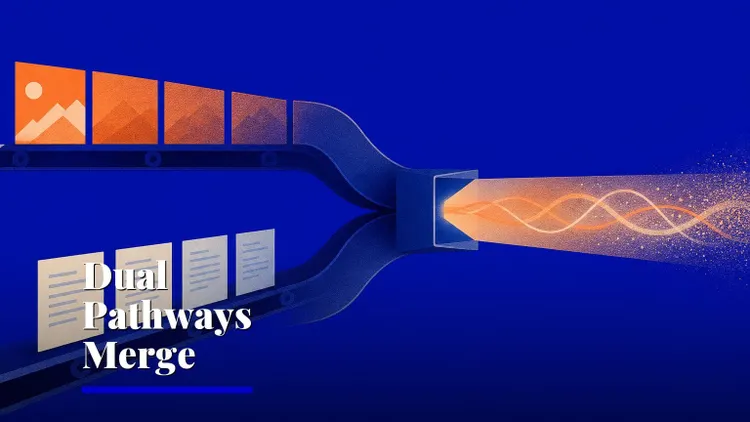
An arXiv preprint finds concatenation and native multimodal architectures fuse visual and textual data through different internal pathways.
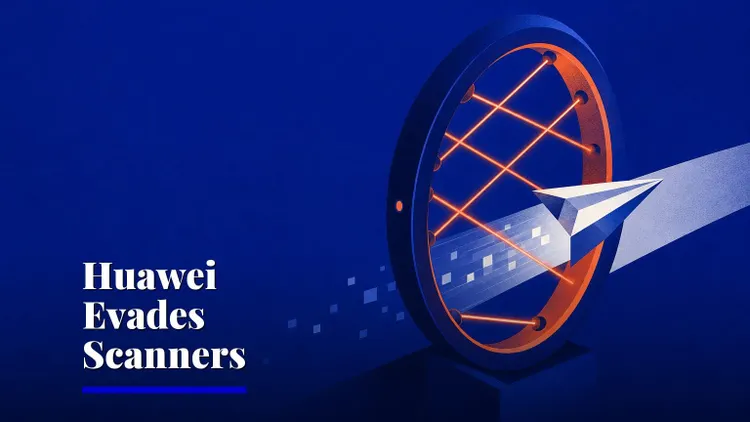
A preprint from Huawei Research Zurich shows that scanners for malicious AI agent skills fail against an attacker who knows the detector.

Untying input and output embeddings in decoder-only LLMs lifts accuracy up to 4.74 percentage points under differential privacy fine-tuning.

OpenAI's new essay argues advanced AI may matter most for routine execution behind breakthrough ideas, not idea generation itself.

OpenAI's September 30 partnership with America's SBDC expands hands-on AI training for U.S. small businesses, but key details remain undisclosed.

CoreWeave is among the first clouds to deliver NVIDIA's Vera Rubin NVL72, with Cognition reporting 4.8x higher token throughput on real engineering

OpenAI's GPT-6.1 Sol targets coding and computer use at $2 input and $10 output per million tokens, a fifth of Astra's price.