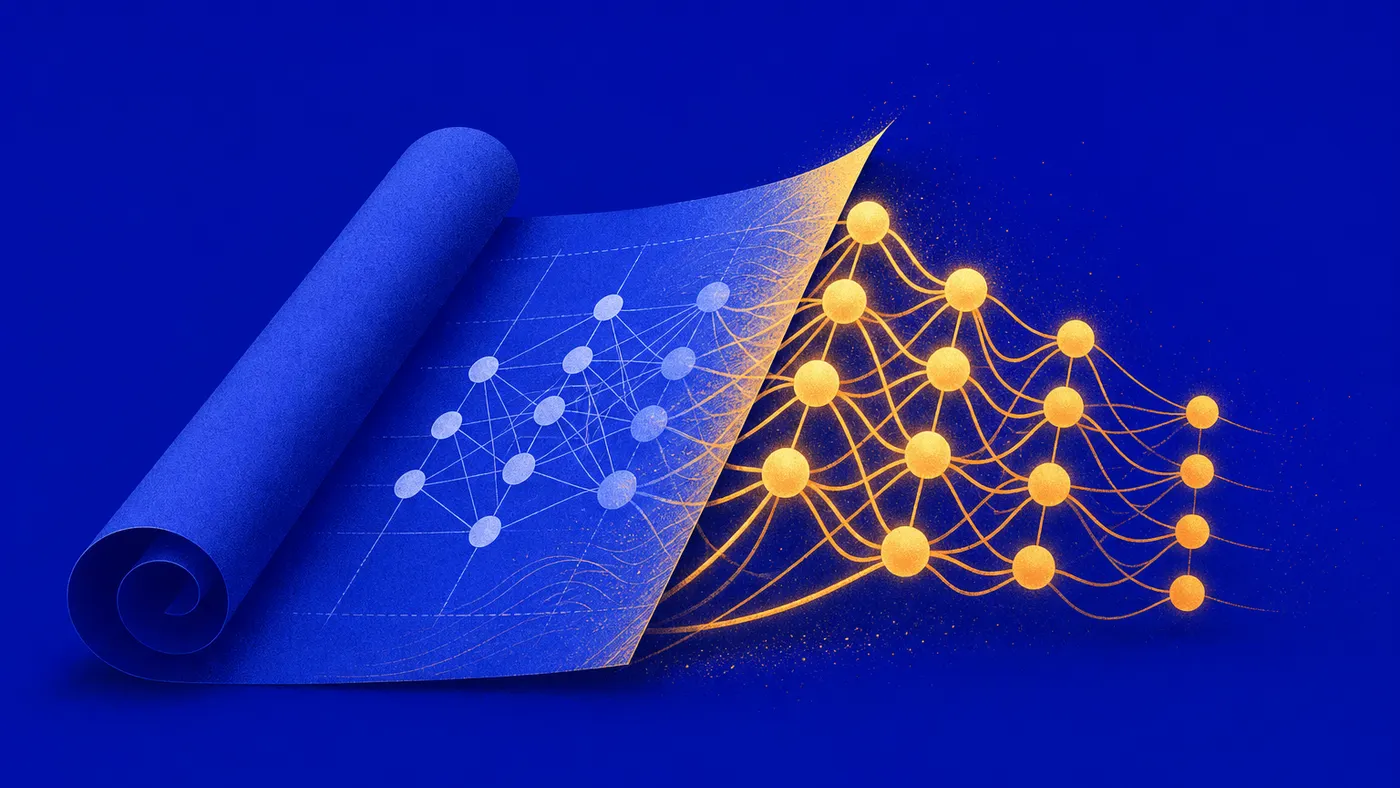
EvoPINN: AI agent invents new neural network for physics
EvoPINN uses an LLM agent to automatically discover and validate algorithms for physics-informed neural networks, replacing manual tuning.
The top 0.01% of AI knowledge, and what it changes for your work
EvoPINN uses an LLM agent to automatically discover and validate algorithms for physics-informed neural networks, replacing manual tuning.
Free briefing · the top 0.01% of AI knowledge
A practical briefing for business owners and professionals: what changed, where it could help, and what to check before you use it. Read a sample issue.
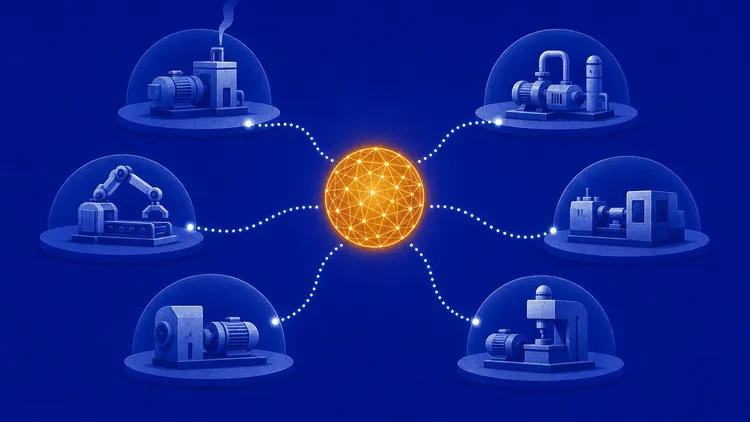
An arXiv preprint shows organizations can collaboratively predict equipment failure using federated survival analysis without sharing raw sensor data.
More than half of Australians surveyed by the RBA think higher interest rates push inflation up, not down, and it changes how monetary policy actually
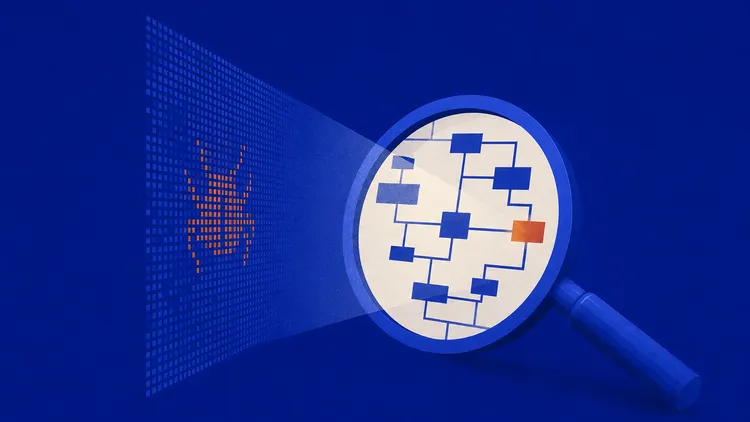
A Fudan University preprint proposes MalGuard, a graph-based detector that groups code into operational roles to catch evasive malware byte-scanners miss.
OpenAI published ten new results from an internal model on open math and CS problems, with Lean proof certificates on GitHub for anyone to check.
SCAIR, from Bosch and Stuttgart researchers, injects enterprise schemas into AI agent reasoning, beating generic RAG without retraining.
SeT-Diff from University of Bologna conditions diffusion models on sensor descriptions, doing imputation, forecasting and virtual sensing in one model.
OpenAI's July 31 post claims its safety and transparency practices support European AI governance, but offers no compliance details as the EU AI Act
OmegaUse-OfficeVal pairs 100 real office tasks with labour costs, showing AI agents are cheaper and faster but still fall short on quality.