
Technology & AI
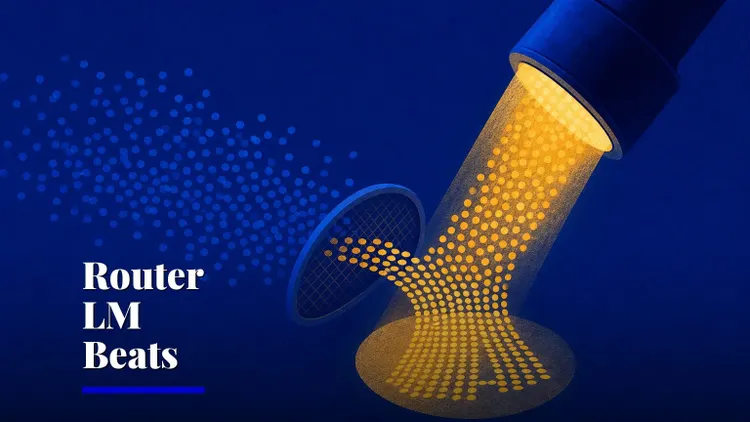
RECAST derives AI evidence, beating strongest baseline 15.9%
RECAST's RouterLM learns to derive evidence through computation and retrieval, hitting 75.6% success across six benchmark families.
The AI knowledge 99.9% of people never discover
OpenAI news explained — GPT model releases, pricing, safety reports and the business decisions behind them, and what each one means for people who use the tools at work.
114 stories
RECAST's RouterLM learns to derive evidence through computation and retrieval, hitting 75.6% success across six benchmark families.

Datawhale's hello-agents repo teaches building AI agents from scratch with ReAct, GRPO and MCP protocols, all for free.
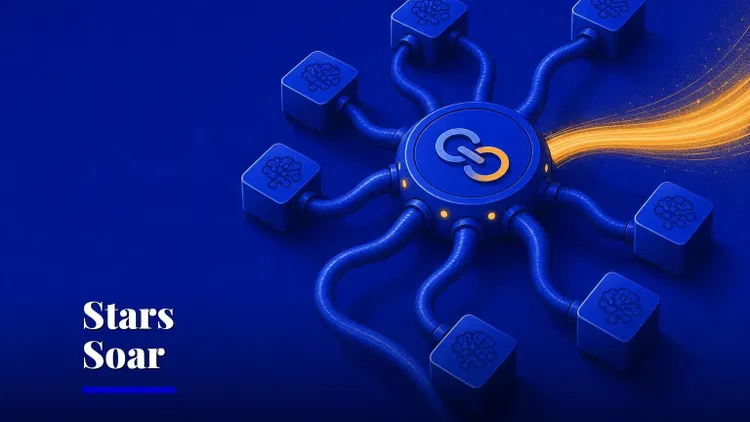
The Rust desktop tool lets developers swap API providers for Claude Code, Codex and Grok Build without editing config files.

OpenAI's Daybreak helped Sophos automate 52% of MDR cases and cut threat investigation time 96%, with no independent audit confirming the figures.

A self-described 'liberated AI' chat interface called G0DM0D3 appeared on GitHub Trending with 11,560 stars and no independent verification.

OpenAI says Oracle uses ChatGPT Work and Codex across recruiting, engineering and operations, turning specialist knowledge into fast workflows.
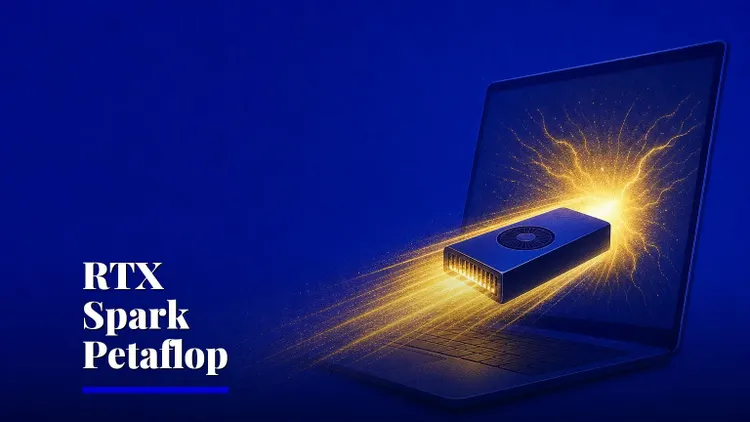
NVIDIA's RTX Spark puts one petaflop of FP4 AI into Windows laptops using a Blackwell GPU and Grace CPU, with preorders open and October 16 shipping.

OpenAI is training AI agents on Ironclad's contracting platform to advance computer use for professional work, with no model or timeline given.

Untying input and output embeddings in decoder-only LLMs lifts accuracy up to 4.74 percentage points under differential privacy fine-tuning.

OpenAI's new essay argues advanced AI may matter most for routine execution behind breakthrough ideas, not idea generation itself.

OpenAI's September 30 partnership with America's SBDC expands hands-on AI training for U.S. small businesses, but key details remain undisclosed.

CoreWeave is among the first clouds to deliver NVIDIA's Vera Rubin NVL72, with Cognition reporting 4.8x higher token throughput on real engineering