

Technology & AI
OpenAI launches Australian Youth Safety Blueprint for teens
OpenAI's six-pillar Australian Youth Safety Blueprint targets safer ChatGPT use for teens, though pillar details remain undisclosed.
The AI knowledge 99.9% of people never discover

Editor · New South Wales, Australia
Analyst in New South Wales. I founded Not A Tech Guy in 2026 to track AI, technology and Australian property from the primary sources: the papers, the company disclosures, and the RBA and ABS releases.
608 stories
OpenAI's six-pillar Australian Youth Safety Blueprint targets safer ChatGPT use for teens, though pillar details remain undisclosed.

tradingview-mcp connects Claude Code to TradingView Desktop via Chrome DevTools Protocol for AI-assisted chart analysis and Pine Script development.

Together AI's Marek and Ryabinin show score centering cancels drift in reinforcement learning of LLMs from 0.6B to 30B parameters.

OpenAI's latest economic research claims workers use AI beyond their traditional roles, but the full report and its data remain unpublished.

A community-maintained directory of Claude Skills has crossed 75,000 GitHub stars, but its production-ready claim is a self-report, not an audit.

Scaling exponents, long thought fixed by compute and data, can be shifted by architecture changes like model growth, affecting how labs train large
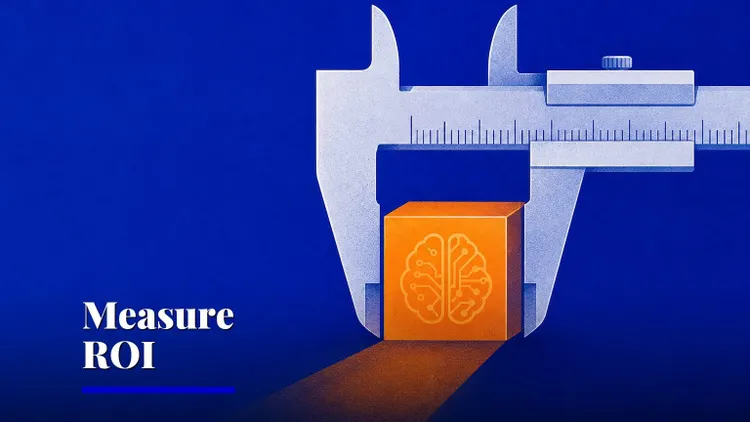
OpenAI's September 16 guide urges firms to measure AI value with ChatGPT Work and Codex analytics, with no customer evidence or pricing.

OpenAI is building Sponsored Agents and marketer tools with HubSpot and Shopify, extending its ChatGPT ads pilot into a broader ad platform.
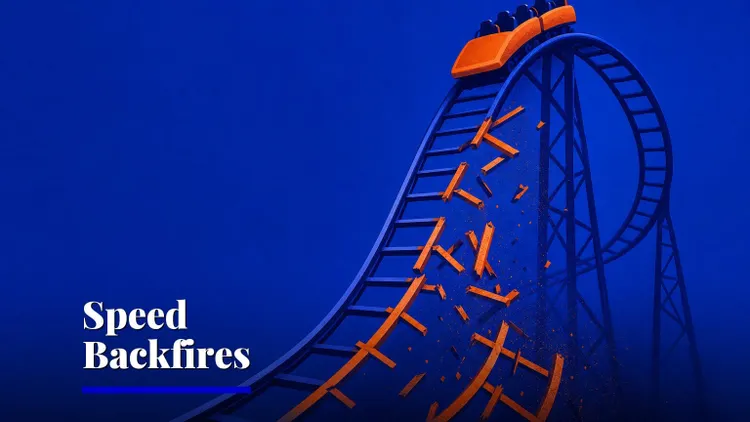
An arXiv decision model separates AI piloting from committing, showing when rapid progress makes waiting the rational enterprise choice.

The open-source Python tool promises to generate finished short videos from a keyword, but every capability claim is self-reported by its maintainer.
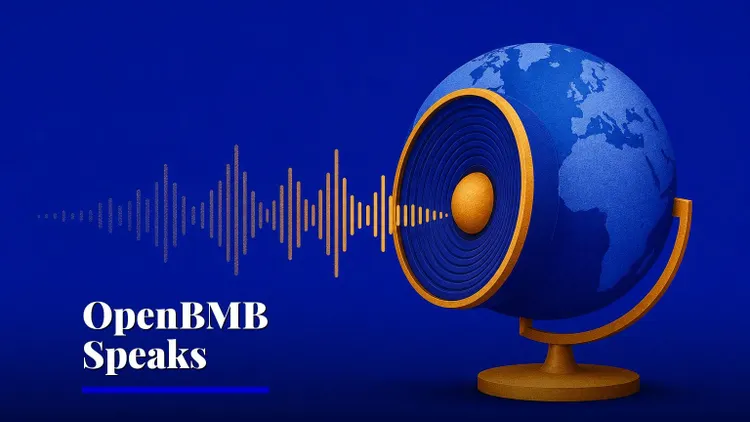
OpenBMB's VoxCPM2 is a 2-billion-parameter open-source text-to-speech model trained on 2 million hours of audio, released under Apache-2.0.
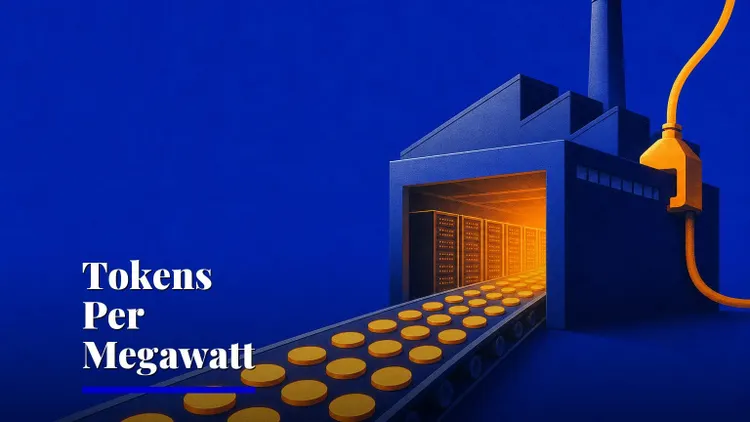
NVIDIA's Ian Buck told the AI Infra Summit that AI factories should be measured by validated tokens per megawatt, with DSX software claiming 1.4x