
Technology & AI
Australia bans card surcharges from October 1
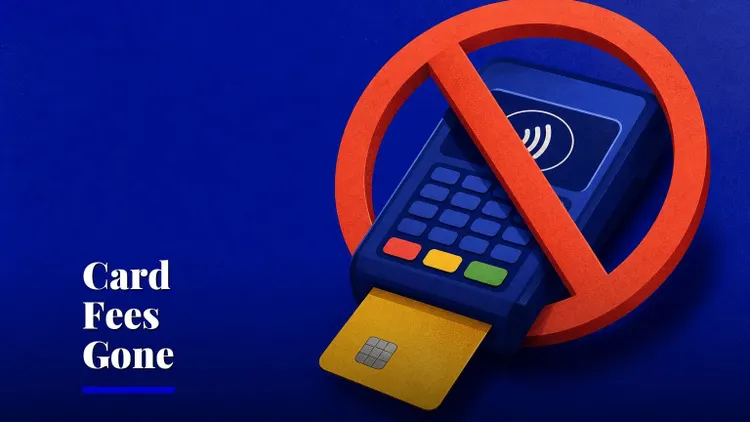
From October 1, Australian businesses can no longer add card surcharges, forcing 16% of merchants to absorb or reprice the cost of accepting payments.
The AI knowledge 99.9% of people never discover

Editor · New South Wales, Australia
Analyst in New South Wales. I founded Not A Tech Guy in 2026 to track AI, technology and Australian property from the primary sources: the papers, the company disclosures, and the RBA and ABS releases.
608 stories
From October 1, Australian businesses can no longer add card surcharges, forcing 16% of merchants to absorb or reprice the cost of accepting payments.
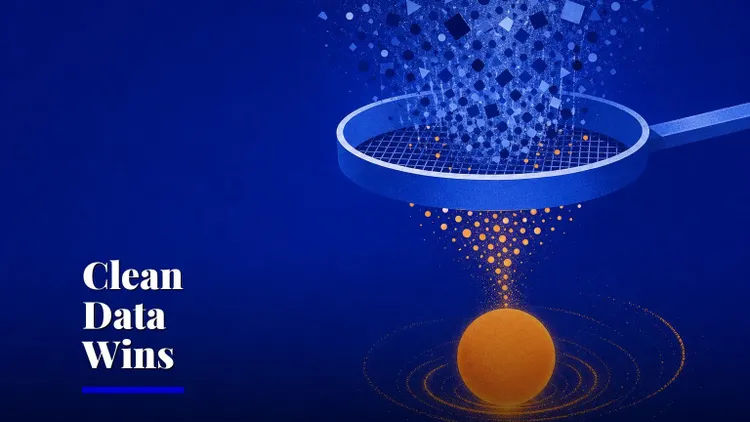
Predicting clean data instead of noise improves text-to-image generation, Adobe and Cornell researchers report in a September 23 preprint.
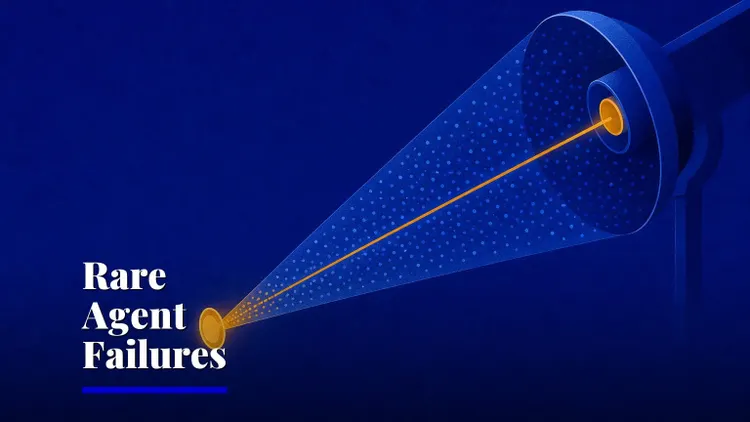
Columbia researchers built a method to estimate one-in-a-billion AI agent failures 800× more cheaply than brute-force simulation.
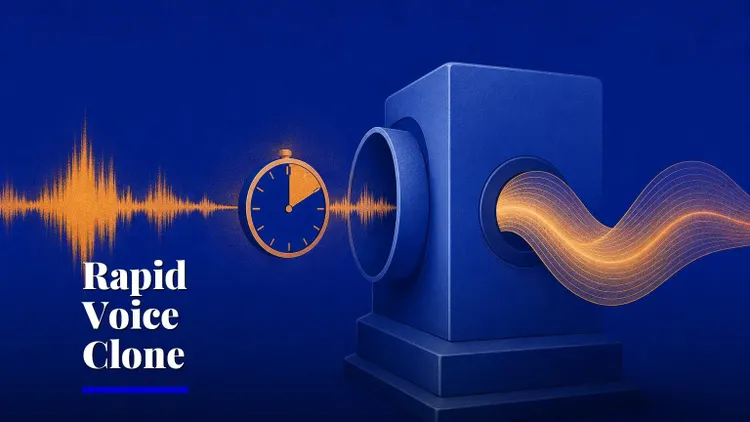
Google DeepMind's Gemini 3.8 Flash TTS and Flash-Lite TTS bring voice cloning from a 30-second sample to 100-plus languages.
Parallel halved its AI research time and cost using GPT-6 Astra, according to an OpenAI case study that discloses no methodology or absolute figures.

Qualcomm launched two mobile chips on September 22, claiming on-device AI that runs 30B models without the cloud, unverified by any lab.
An arXiv preprint shows language models up to 119 billion parameters can disguise backdoors as legitimate reasoning and evade safety checks.

A preprint shows a forced linear ODE recovers most of a neural autoencoder's value for simulating convection in 100-kilometre climate grids.

The RBA has reportedly flagged that inflation risks may be materialising, which could pause the rate-cut cycle that has eased mortgage costs for

OpenAI's September 21 expansion of its free Academy adds learning paths for employees, developers, leaders, educators, and students.

SimLife tracks 106 episodes of simulated daily life and finds frontier AI models guess habits by frequency, not reasoning.
An open-source 8-29 MB model claims to beat 10x larger models on tool calls, targeting phones, wearables and microcontrollers.