
Technology & AI
AI licence laundering: under 7% of restrictive terms survive
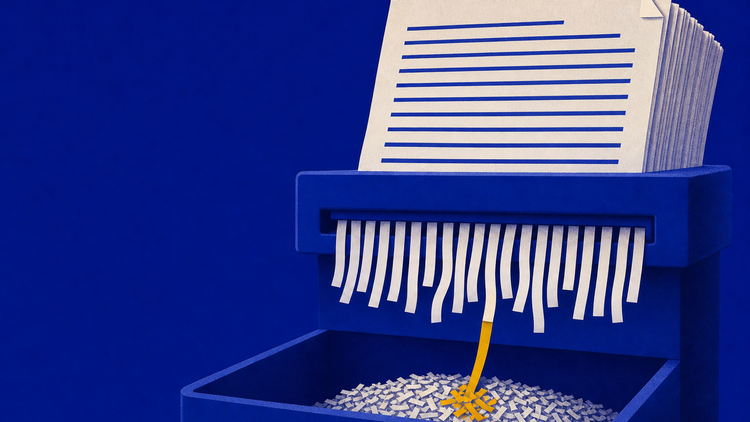
An arXiv preprint traced 232,270 AI supply chains, finding permissive licences survive 95% while obligation-bearing ones drop below 7%.
A newsletter breaking down AI research, technology, and Australian property in plain English
AI and technology, explained through what they actually mean. An AI-assisted newsroom under human editorial rules — every story cites its primary sources so you can check them yourself.
499 stories
An arXiv preprint traced 232,270 AI supply chains, finding permissive licences survive 95% while obligation-bearing ones drop below 7%.
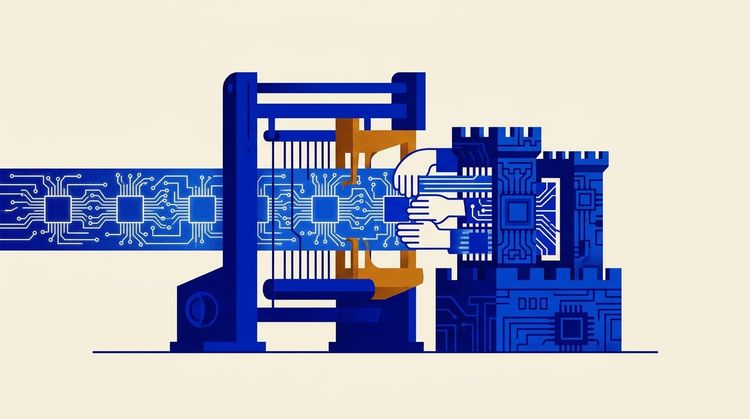
NVIDIA partner Wistron opened a 324,000-square-foot Texas plant making GB300 chips, with 500 jobs and a $700M commitment.
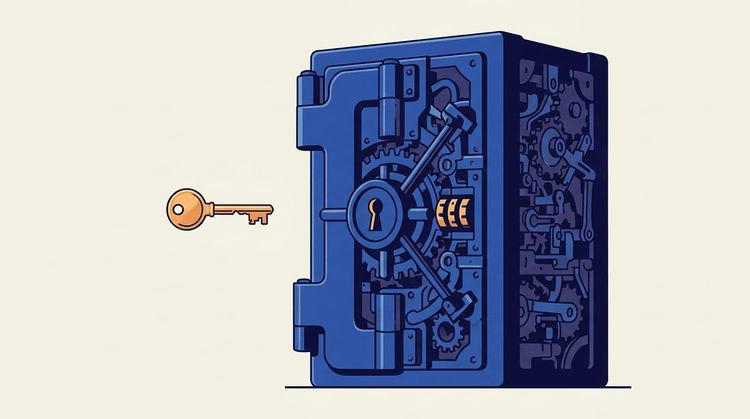
PEARL puts a math solver inside the LLM loop to test, debug and revise optimization models, beating models 170× larger on verified solve rates.
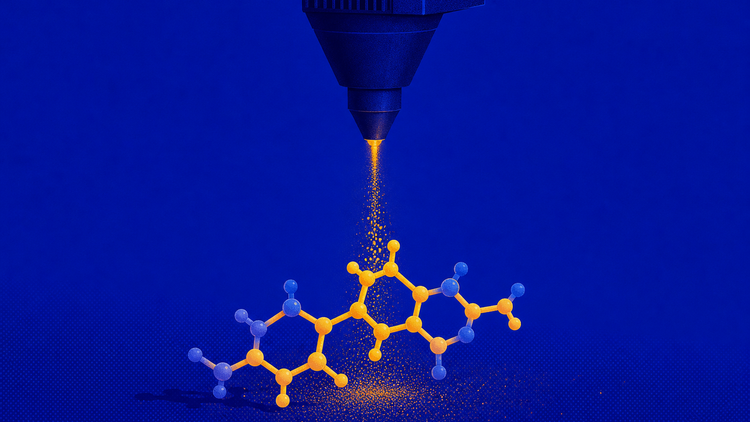
DBMol pairs structure prediction models to design target-specific drug molecules, but every affinity result is a computational prediction, not a lab test

AI safety discourse focuses on dramatic harms, but a new preprint argues the real danger is in quiet failures normalised by everyday workflows.

Australia's Wage Price Index rose 3.3% in the year to March 2026, but private sector pay slowed to 3.2% as new home loans fell 6.2%.
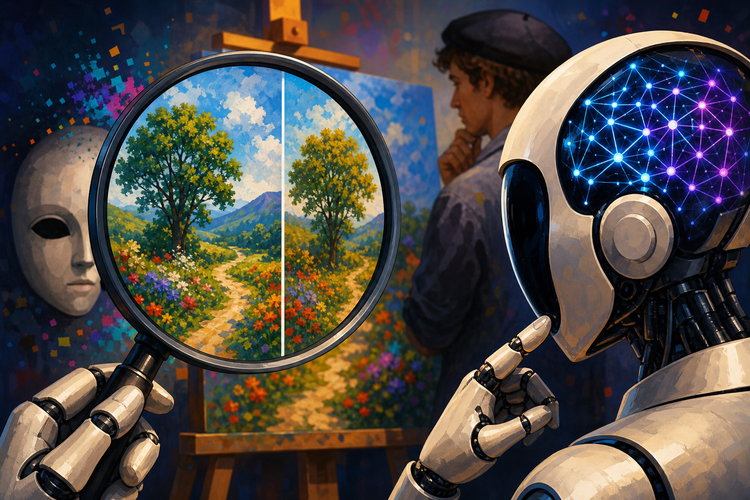
A July 2026 arXiv preprint introduces TPIPS, a text-prompted image similarity metric showing frontier vision-language models lag human perception.

New arXiv framework uses twelve reasoning angles to separate jokes from hate in memes, hitting 80.3% humor and 75.9% hate detection on two benchmarks.
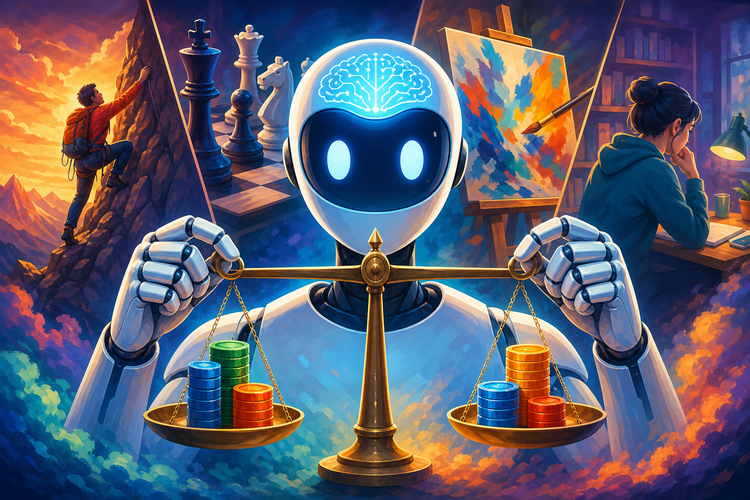
Six LLMs tested across navigation, triage and finance tasks showed stable risk preferences, a hidden trait anyone deploying AI agents needs to understand.

BSB jailbreak tricks text-to-video models like Veo and Sora by hiding harmful intent between two safe frames, beating rivals by 18.6% in attack success.

OpenAI's new ChatGPT for Small Businesses program aims to help entrepreneurs build AI skills and automate daily work, but key details are missing.
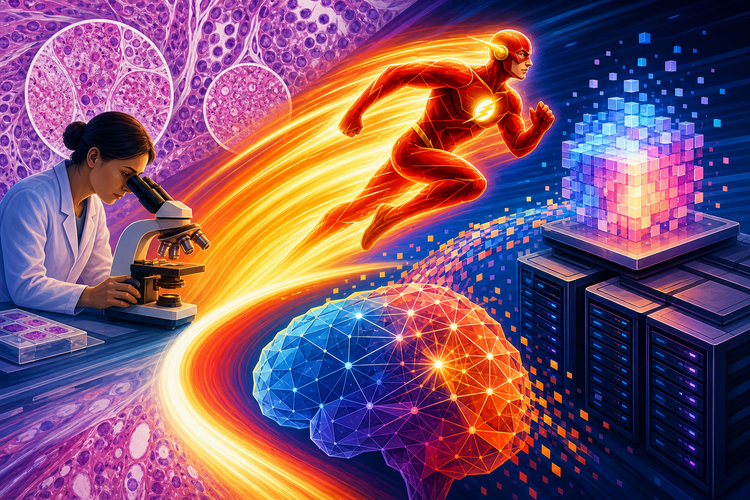
GigaPath-Flash and GigaTIME-Flash shrink billion-parameter pathology models to run on 50x less compute while predicting tumor profiles from routine slides.