

Technology & AI
Meta's 816B Muse Spark Open targets Mac Studios
The open-weight release pairs a frontier-scale model with a consumer hardware target Meta says needs two Apple M5 Ultra Mac Studios and the MLX
The AI knowledge 99.9% of people never discover

Editor · New South Wales, Australia
Analyst in New South Wales. I founded Not A Tech Guy in 2026 to track AI, technology and Australian property from the primary sources: the papers, the company disclosures, and the RBA and ABS releases.
607 stories
The open-weight release pairs a frontier-scale model with a consumer hardware target Meta says needs two Apple M5 Ultra Mac Studios and the MLX

Stack Overflow for Agents tripled signups via a ChatGPT plugin two engineers built with Codex, OpenAI reports, with no absolute figures given.

Volvo Cars will pair its safety systems with NVIDIA's Hyperion and Halos OS for door-to-door automated driving in future electric cars.

NVIDIA's open Nemotron 3.5 Super VL matches its largest reasoning model at one-fifth the parameters, with edge models running on desktop RTX GPUs.

The GeoCloak system cuts AI geolocation accuracy from 41.2% to 9.9% across 576 cities while preserving image quality, its developers report in an

Voicebox hit GitHub Trending with 121 new stars today as developers weigh local voice cloning and dictation claims for apps.

Australia's unemployment rate reached 4.7% in September 2026 as 39,300 jobs disappeared, cutting the odds of a November rate hike.

Gemini 4 Argon is globally available via API at $2 per million input tokens, with Google claiming the top spot on the Vals Index.

NVIDIA's GTC Berlin runs October 20-22 with a Jensen Huang keynote, but the company's French AI adoption claims name no companies or numbers.
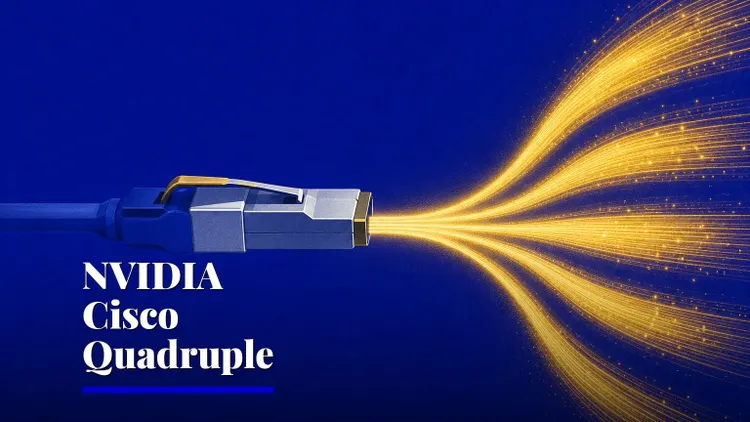
NVIDIA and Cisco's USFP module promises 12.8Tb/s capacity and 4x bandwidth density for AI factory networks, though no hardware has shipped.

SGLang, an open-source LLM serving framework from Stanford and UC Berkeley researchers, is trending on GitHub with 36,973 stars and broad hardware
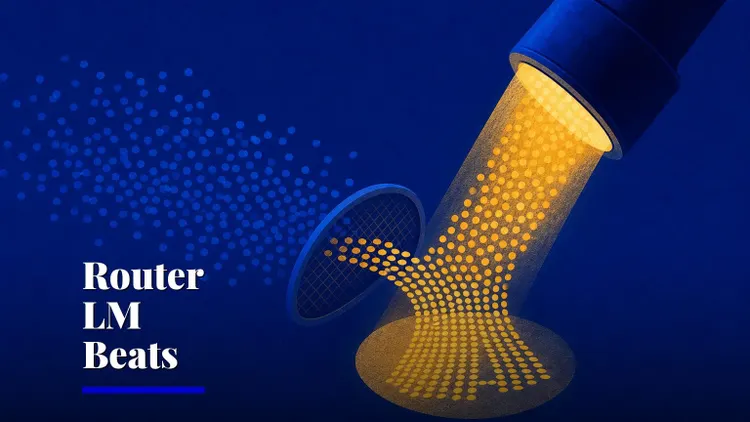
RECAST's RouterLM learns to derive evidence through computation and retrieval, hitting 75.6% success across six benchmark families.